03.03.26
You're paying a hidden brand tax.
Section 1. Introduction
Have you ever noticed that, in mature sectors, brands can start to look, behave and sound just like each other?
A crowded and competitive marketplace can create clutter and confusion for consumers. Value propositions get lost. Messages merge. Leaders are emulated. Brands start to use a formula that is associated with success. The same sorts of phrases, words, colours and logos appear. If unchecked, a brand can start to follow the ‘sector rules’ and they ultimately join the crowd.
Have a look at these examples.
Section 2. Public transport logos from around the world.
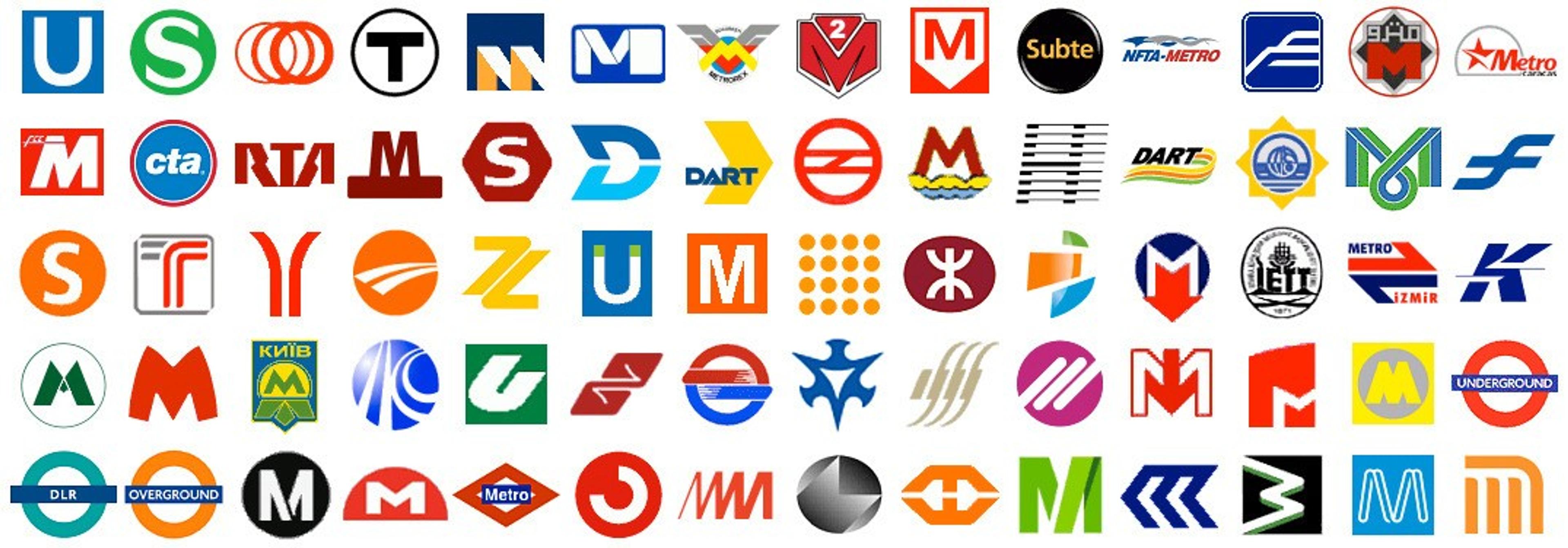
With these brand identities, we can see the use of a single, big letter, usually contained within a shape of colour. Rarely embellished further. Who is leading? Who is disrupting? Where are the challenger brands?
Section 3. Big tech
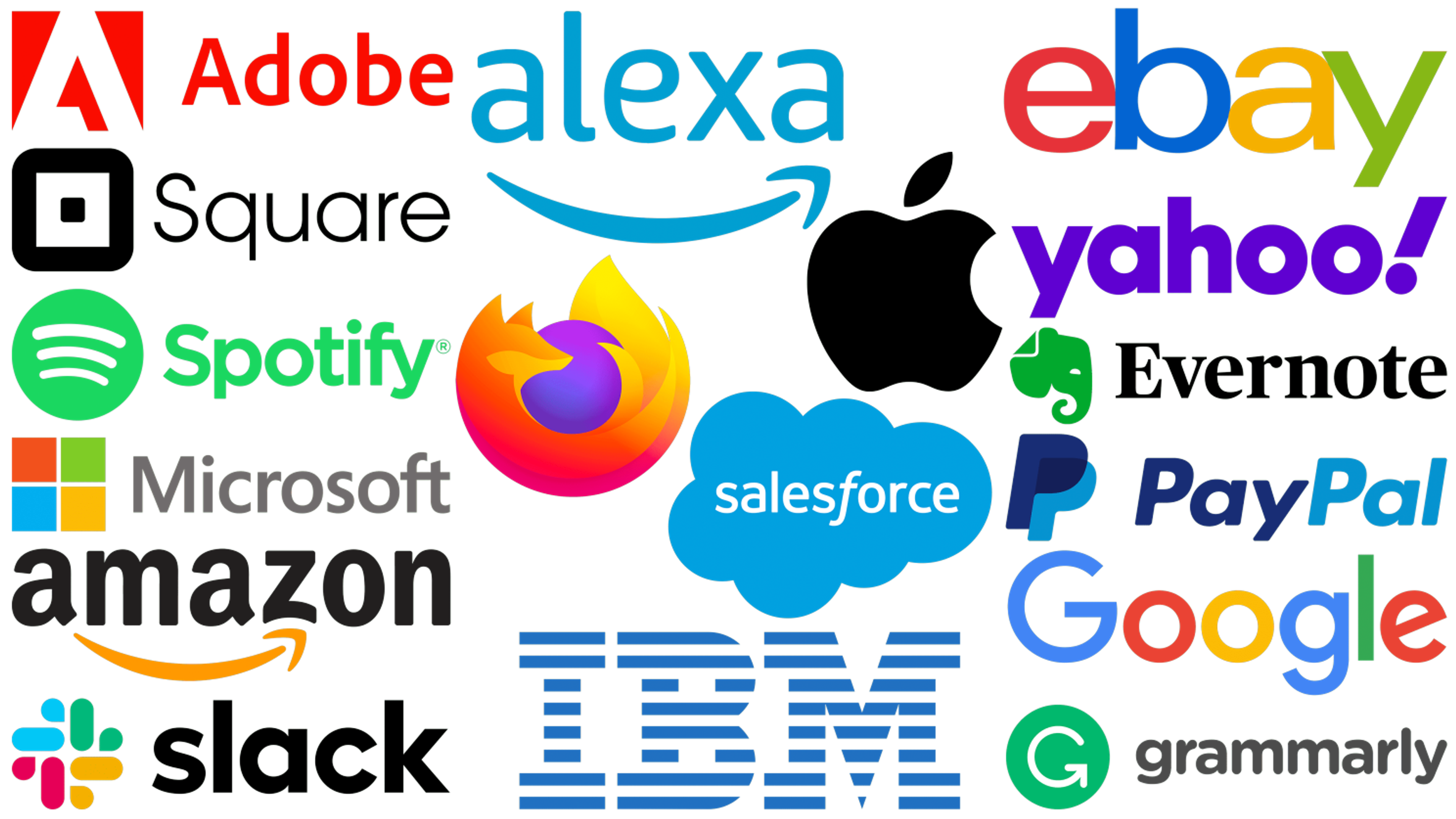
It would appear that the tech sector has an inherent love for a graphically simple symbol, combined with a bright coloured sans serif font. Is this coincidence or design?
Section 4. The cost of similarity.
Whilst there may be a comfort in joining the crowd, there is a cost too—getting lost in it. Your prospects and customers have less reason to see you as different from your competitors, and so you are forced to ramp up your marketing and PR efforts to draw attention to your products / services.
This is what we mean when we say that you’re ‘paying a brand tax’. When your brand isn’t unique and doesn’t stand out. When your value proposition isn’t clear. This is when you need to spend in other ways. Usually, that means marketing.
Here’s a diagram that illustrates the forces at play (physics-style!)
Section 5. The forces at play.
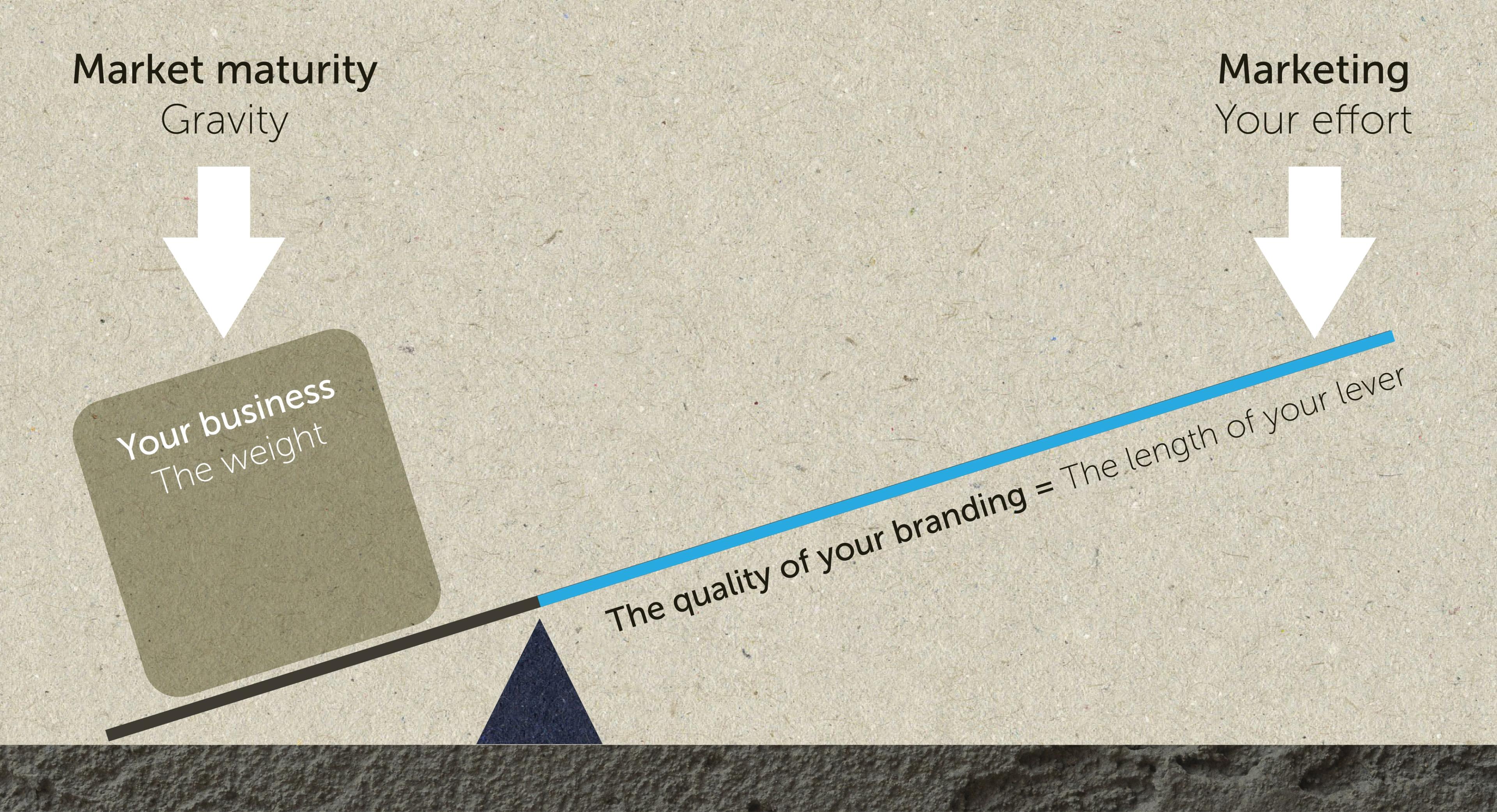
If the above diagram seems scary—it is. Sorry about that, allow us to explain it.
Let’s assume you want to raise awareness for your business (the weight at the end of this imaginary see-saw). You’re fighting against gravity (market maturity). Increased market maturity means more competitors and an established sector with entrenched consumer behaviours. This makes it increasingly difficult to stand out, and so the main effort / force you can use to elevate your business is marketing activities.
What many businesses do not realise is that a distinct, memorable and authentic brand acts as a longer lever. And the physics buffs among you will understand that a longer lever means you can put in dramatically less (marketing) effort to get the same effect.
Practically, that means that if your brand has standout in the sector, it will be better understood, more memorable and your customers will find it easier to identify your value proposition. So you don’t have to fight as hard.
Section 6. In conclusion.
Ask yourself these two questions, and answer honestly. You’ll intuitively understand whether or not you’re currently paying a ‘brand tax’.
- How mature is your market? Sectorally and geographically?
- How distinct is your brand? If you removed your logo from all your communications, would it be clear who you were and how you were different to your competitors?
If you’re not happy about that, and you’re ready to sharpen your branding, get in touch with us today.